Back on the Road With Certainty - Reliable Auto Repair
Quality auto repair upholds vehicle safety and performance. A solid shop supplies complete work, from routine checks to necessary fixes. Figuring out when a car needs attention can be overwhelming. Many drivers struggle to locate trustworthy mechanics. Preventive upkeep plays an important role in boosting your car's durability. Yet, the challenges with costs and talking to mechanics can leave one unsure. How can vehicle owners proceed to keep their vehicles road-ready?
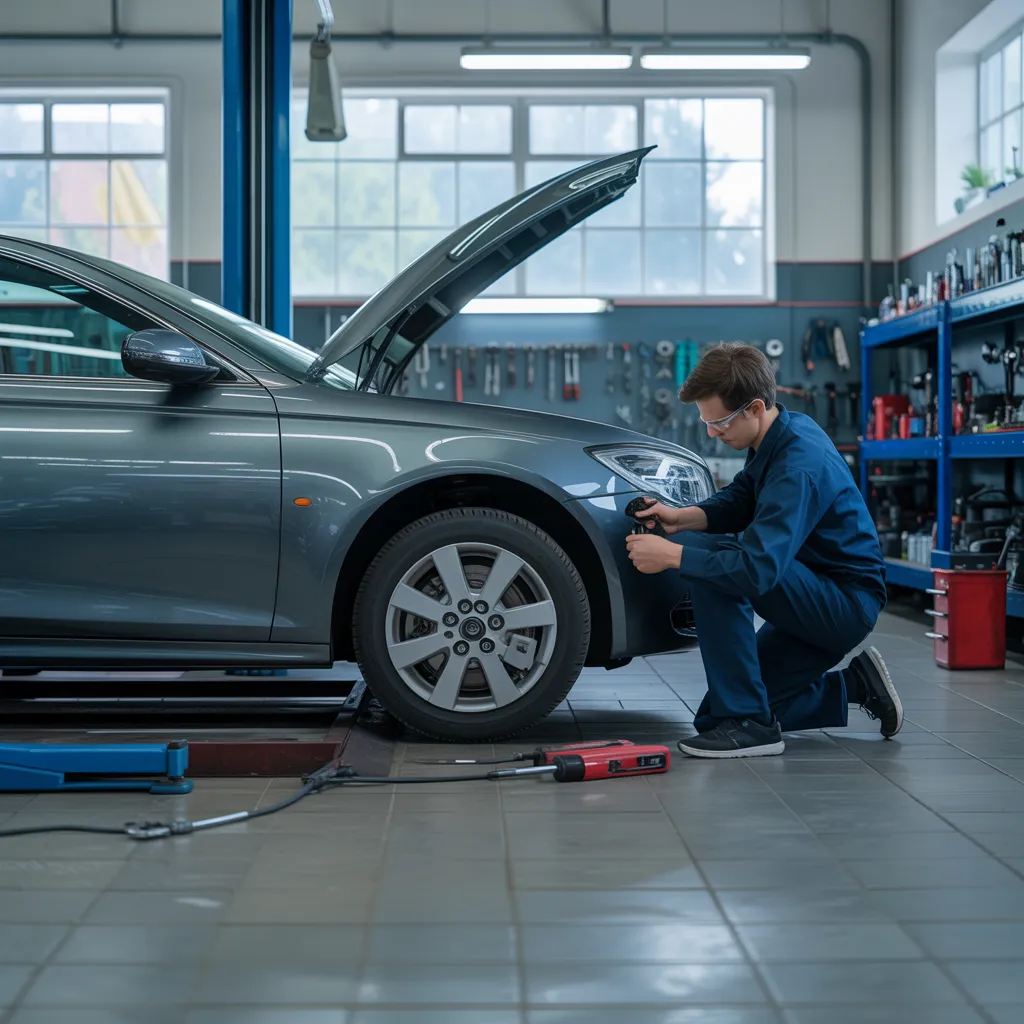
Understanding When Your Vehicle Requires Work
How can one discover when a vehicle needs repair? There are various key indicators that signal a repair necessity. Strange noises, such as grinding or squeaking, often point to brake or engine troubles. Warning lights on the dashboard, especially the check engine light, should not be ignored, as they signal potential problems that require immediate investigation. Moreover, a reduction in performance, such as sluggish acceleration or difficulty starting, can also suggest underlying mechanical issues.
Visual indicators, such as fluid leaks or uneven tire wear, are further indications that maintenance is necessary. If the car drifts to one direction while driving, this could indicate alignment problems or tire problems. Regularly monitoring these factors can help ensure timely repairs, avoiding greater deterioration and expenses in the future. In summary, being observant and proactive is essential for maintaining vehicle health.
How to Discover a Trustworthy Auto Repair Shop
Locating a reliable auto repair shop can be a tough job for vehicle owners. To start out, people should ask for guidance from associates, family, or coworkers. Personal experiences often convey valuable insights into a operation's quality of service. Online reviews and marks on platforms like Yelp or Google can also help evaluate consumer contentment.
Next, looking at certifications and affiliations with respected professional groups, such as the Automotive Service Excellence (ASE), can indicate a shop's focus on maintaining standards. It is prudent to inspect prospective locations for an opening appointment, giving customers to assess sanitation, workflow, and support.
Moreover, obtaining written estimates before any work commences can avert misunderstandings about costs. Finally, a established shop should be transparent about its services and inclined to discuss repairs. By executing these steps, vehicle owners can raise their chances of finding a trustworthy auto repair shop.
The Significance of Regular Car Maintenance
While many vehicle proprietors may overlook routine upkeep, regular car upkeep is essential for securing a car's endurance and superior functionality. Avoiding upkeep can create a string of issues, from small troubles to significant breakdowns. Regular inspections, such as lubricant replacements, wheel adjustments, and brake evaluations, can eliminate expensive fixes and improve safety on the road.
Furthermore, ongoing maintenance helps preserve a vehicle's fuel efficiency, minimizing overall maintenance expenses. It also safeguards the trade-in value; a well-kept car is often more desirable to interested buyers.
Participating in routine upkeep cultivates a sense of responsibility among owners, motivating them to stay informed about their vehicle's needs. By emphasizing regular care, vehicle owners not only safeguard their investment but also contribute to general driving safety. Ultimately, consistent vehicle maintenance is a forward-thinking strategy that advantages both the owner and the wider society.
Comprehending Repair Pricing
Understanding maintenance expenses can often be confusing for vehicle owners. Various factors affect these expenses, including labor charges, component costs, and the complexity of the repair work. Labor expenses differ significantly by location and facility, often demonstrating the technician's experience and the shop's overhead. In addition, the kind of components used—whether original equipment manufacturer (OEM) or third-party—can greatly affect the total cost.
Vehicle age and model also contribute; vintage or rare vehicles may require specialized parts that are more expensive and harder to source. Additionally, unexpected issues can occur during maintenance work, resulting in extra expenses that were not initially anticipated. By gaining a basic understanding of such considerations, vehicle owners can approach repair estimates with increased assurance and take knowledgeable choices regarding their automotive needs.
How to Precisely Communicate Car Issues to Your Technician
Expressing car problems clearly to a technician can significantly improve the diagnosis and repair process. When explaining issues, car owners should be specific about symptoms, such as unusual noises, vibrations, or dashboard alerts. Sharing associated article information on when the problem takes place—whether during acceleration, stopping, or running at rest—can also help the technician identify the issue.
It is helpful to record any new shifts in driving patterns or maintenance history. Applying clear, straightforward language eliminates uncertainty, helping the repair specialist to understand the circumstances better. Owners should steer clear of relying on technical jargon unless they are sure of its sense.
Furthermore, supplying documentation, like service records or previous repair invoices, can supply context. A precise account not only supports swift diagnosis but also builds a collaborative relationship between the car owner and the mechanic, ultimately producing effective repairs.
Creating a Sustained Partnership With Your Auto Repair Shop
Establishing a long-term relationship with an auto repair shop relies on trust and transparency. Consistent high-quality service strengthens this bond, while open dialogue channels guarantee that clients are listened to and valued. Together, these elements create a relationship that serves both the customer and the technician.
Foster Trust With Transparent Operations
When customers feel educated about the repairs their vehicles need, reliance naturally forms between them and their auto repair shop. Transparency in communication is fundamental; it allows clients to understand the motivation behind advised repairs and maintenance. Auto repair shops that provide in-depth explanations, precise estimates, and open dialogues promote a sense of security among their clientele. This openness not only clarifies the repair process but also empowers clients to make educated decisions. Additionally, sharing information about the shop’s qualifications, warranties, and service history improves credibility. By focusing on transparency, auto repair shops can maintain lasting relationships, encouraging repeat business and retention. Ultimately, trust through transparency enables a more positive and trustworthy auto repair experience.
Reliable Quality Service
Consistent quality service is the cornerstone of a enduring connection between customers and their auto repair shop. When customers receive reliable and efficient repairs, they are more likely to come back for future maintenance. This reliability fosters trust, allowing customers to feel confident in the expertise of the technicians. Over time, as customers observe the same high standards being upheld, a sense of commitment develops. Quality checks performed on a regular basis and adherence to industry standards guarantee that vehicles are not only repaired but also serviced to prevent upcoming problems. Such commitment to excellence creates an environment where customers sense appreciation, knowing their vehicles are in skilled hands. Ultimately, this commitment to consistent quality service strengthens the relationship between auto repair shops and their clientele.
Open Communication Channels
Effective dialogue serves as an crucial connection between customers and their auto repair shops, improving trust and comprehension. Open lines of communication create a cooperative setting where customers feel appreciated and educated. When repair shops offer detailed explanations regarding offerings, prices, and timelines, customers can make better decisions about their vehicles. Frequent notifications during repairs can reduce worry and establish confidence in the shop's knowledge. Similarly, clients who communicate their worries and needs contribute to a more customized service. This two-way conversation not only reinforces relationships but also encourages loyalty. By emphasizing transparent communication, auto repair shops can build a reputation for reliability, guaranteeing that customers return for upcoming requirements, confident in the service they will receive.
Frequently Addressed Questions
What Should I Consider if My Car Breaks Down Suddenly?
When a car malfunctions suddenly, the driver should carefully move to the side of the road, turn on hazard lights, assess the situation, and contact roadside assistance or a tow service if needed. Remaining composed is essential.
How Can I Identify if a Mechanic Is Reliable?
To assess a mechanic's reliability, one should review ratings, seek recommendations, verify qualifications, and observe transparency in costs. A reliable mechanic will speak plainly and offer thorough descriptions of necessary repairs and work.
Do warranties provided on vehicle maintenance?
Numerous auto repair shops provide warranties on their work and components, typically spanning 90 days to several years. Customers should ask about specific details and requirements to guarantee adequate coverage for their repairs.
What Tools Should I Store in My Car for Emergencies?
A adequately supplied car should contain a spare tire, jack, jumper cables, flashlight, first aid kit, basic tools, and tire pressure gauge. These necessities help guarantee safety and tackle minor issues during unexpected emergencies on the road.
How Can I Ready My Car for Seasonal Transitions?
To make ready a car for weather transitions, one should check fluid levels, check tires for tread and pressure, check the power source, replace wipers, and make certain lights work correctly for maximum safety and performance.